Paperboard & Sheet Converting
Plan custom sheets for folding carton, print, and packaging production, from parent-roll fit to grain direction and pallet requirements.

Make a clear decision about material, output, capacity, and delivery before the next production run.
Plan custom sheets for folding carton, print, and packaging production, from parent-roll fit to grain direction and pallet requirements.
Define the roll widths, cores, finished diameters, and winding requirements your production line needs.
Prepare a clear request when an outage, a small run, or damaged inventory puts your production schedule at risk.
Review material construction, surface protection, winding, and trial requirements before converting specialty rolls.
Define the material your next operation can accept. For sheets, confirm dimensions, grain direction, tolerances, and pallet requirements. For rolls, confirm slit widths, core size, finished diameter, winding direction, and splice rules.
Then compare those requirements with the incoming material. That identifies whether you need sheeting, slitting, rewinding, or a combination.
Compare the converting processesA maximum width is only one part of machine fit. Incoming roll diameter, material grade, finished size, setup, and acceptance requirements must work together.
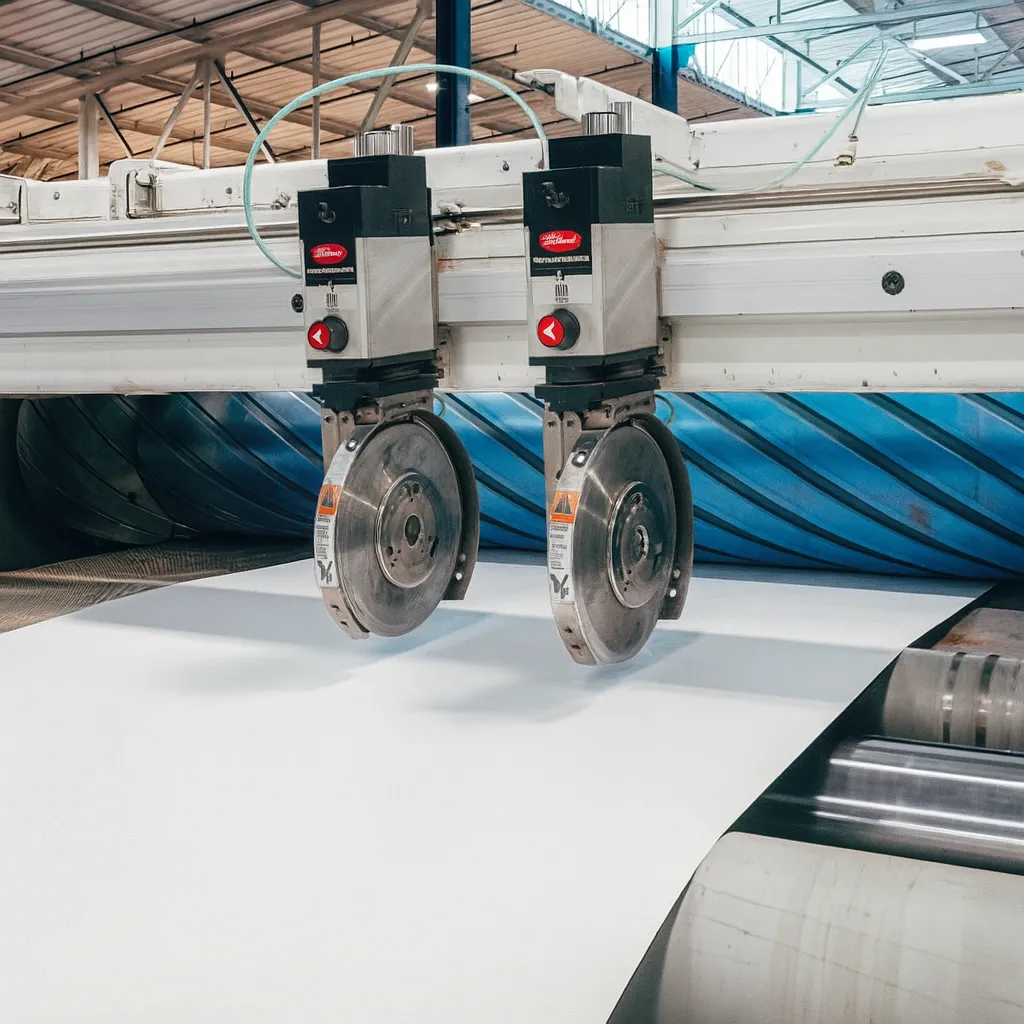
Bengal has five rewinders and two Marquip paperboard sheeters. Review the individual machine specifications, then send the job details for confirmation before shipping stock.
Review the machine matrixReview setup, converting, packaging, freight, and any storage or release charges on the same basis. Identify the usable finished quantity and whether trim or recovery changes the expected yield.
Include the required delivery date and any partial quantity that would help production. A quote can only be compared fairly when its scope and timing are clear.
Prepare a comparable quote requestStorage and scheduled releases can help when material arrives in larger quantities than production needs at once. Agree which stock is awaiting converting, approved for release, or held for inspection.
Discuss warehousing, rail or truck movements, and shipment coordination after the converting requirements are defined.
Explore supporting warehousing servicesSend your material, incoming dimensions, required output, approximate quantity, and delivery date. We will review the job and confirm what is needed to prepare a quote.
Still working out the specifications? Tell us what your production line needs and which details are available.
For an urgent request, call 610-245-5900.
Based in Royersford, Pennsylvania. Serving converting programs across the Northeast United States and Eastern Canada.