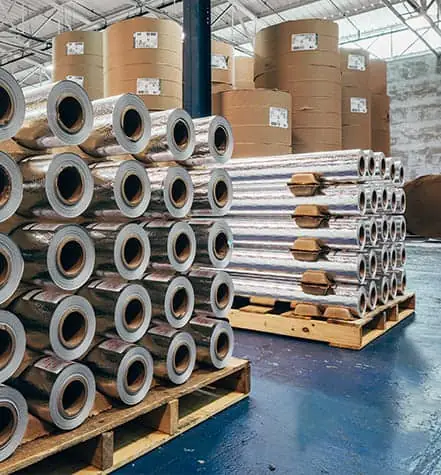
Coordinate inventory around your paper program
Bengal provides warehousing and distribution support for paper and packaging material programs from its 225,000-square-foot converting and warehousing facility in Royersford. Discuss the material profile, volume, handling needs, and release schedule before reserving space.
For producers and converters, the important distinction is whether material is awaiting conversion, approved for shipment, on hold, or committed to a customer. Establish those status definitions before the first receipt so both teams can plan from the same information.
Specify handling and inventory requirements
A useful storage inquiry includes roll or pallet dimensions, weights, monthly receipts, average inventory, and the number of outbound releases. Share packaging restrictions, product identification, and any condition-sensitive requirements. Ask the team to confirm suitability; dedicated climate control or regulated storage conditions are not assumed.
- Identify rolls and lots at receipt and retain the connection to converted output.
- Separate material on hold from stock authorized for production or shipment.
- Agree release authorization, reconciliation frequency, and exception contacts.
- Confirm SAP or EDI requirements before assuming an integration is available for your workflow.
Use rail and truck access where they fit the program
An on-site rail switch and 16 loading docks provide options for material movements. The right inbound and outbound approach depends on shipping origin, handling requirements, arrival timing, and the receiving customer. Review those details together with any converting work.
Bengal can sheet, slit, or rewind compatible material before outbound release. Start with the converting specification, then plan how much inventory should be stored and when finished units should ship.