
Separate total demand from the first required release
A large order becomes easier to plan when it is broken into the material that must reach each production line on each date. Start with total demand, then identify the first usable quantity, later releases, and the receiving location for each shipment. A monthly total alone does not describe the converting schedule.
Distinguish a recurring baseline from a temporary surge. A recurring program needs an approved specification and repeatable release process. Overflow work also needs a clear boundary: which material, sizes, and dates are being transferred to the outside converter.
Match the specification to a particular machine
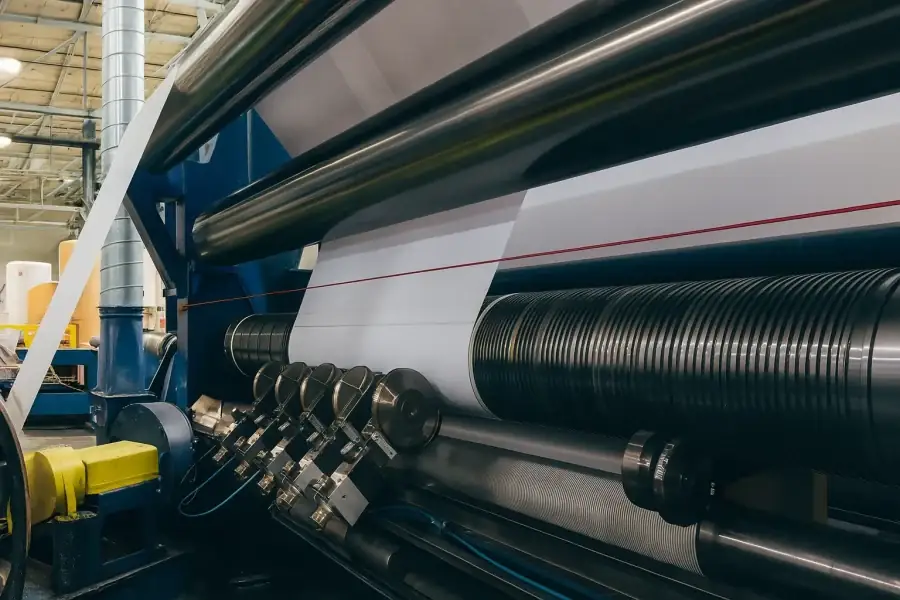
Bengal operates two Marquip sheeters and five rewinders. For sheeting, the published matrix lists maximum sheet outputs of 65 × 80 inches and 59 × 70 inches on different machines. Rewinder parent width reaches 143 inches on one machine. These figures describe different equipment; they are not a single combined operating envelope.
Review incoming roll width and diameter, material grade, required output, and core size together. For paperboard sheets, include grain direction and pallet requirements. For finished rolls, include slit pattern, roll length or diameter, and winding direction. Ask the team to confirm the whole job before reserving freight.
Plan around accepted output
The quantity that matters is usable finished material released to your specification. Agree how quantity, trim, setup material, remnants, and any rejected output will be recorded. Do not treat a machine’s listed maximum speed as a promise of finished tonnage or a delivery commitment.
Material changes, size changes, inspection, packaging, and shipping arrangements all belong in the production discussion. Group compatible work where practical, while keeping the first delivery need visible. Let the team assess whether a different sequence would reduce avoidable changeovers.
- Provide demand by material and finished size, not only an overall tonnage.
- Identify the approved revision of each specification.
- List material availability and inbound arrival expectations.
- Name the person who can approve changes or release a trial.
Connect converting to inventory and shipping
If material will be stored before or after converting, define receipt identification, finished inventory labels, release authorization, and the shipping reference required for each order. Bengal offers warehousing and distribution support alongside converting, with SAP and EDI inventory integration available for program review.
Confirm receiving appointments, pallet or roll handling limits, and whether partial shipments are acceptable. Agree how a material delay, damaged inbound roll, or change in demand will be communicated. A named decision maker and a clear revision process help avoid conflicting instructions.
What to send for a capacity review
Send a demand schedule, incoming material specifications, finished formats, target release quantities, and delivery dates. Separate firm requirements from forecasts. Include the lead time your own team needs between material receipt and production.
Bengal will review the proposed program against equipment fit and the available schedule. Around-the-clock production and support do not mean every job can start immediately; obtain a confirmed plan before relying on a particular production or shipping date.