
Paperboard Converter vs. Contract Converter
Choose a converting partner by material, finished format, and scope of work, with questions for paperboard and packaging buyers.
The terms describe different parts of the decision
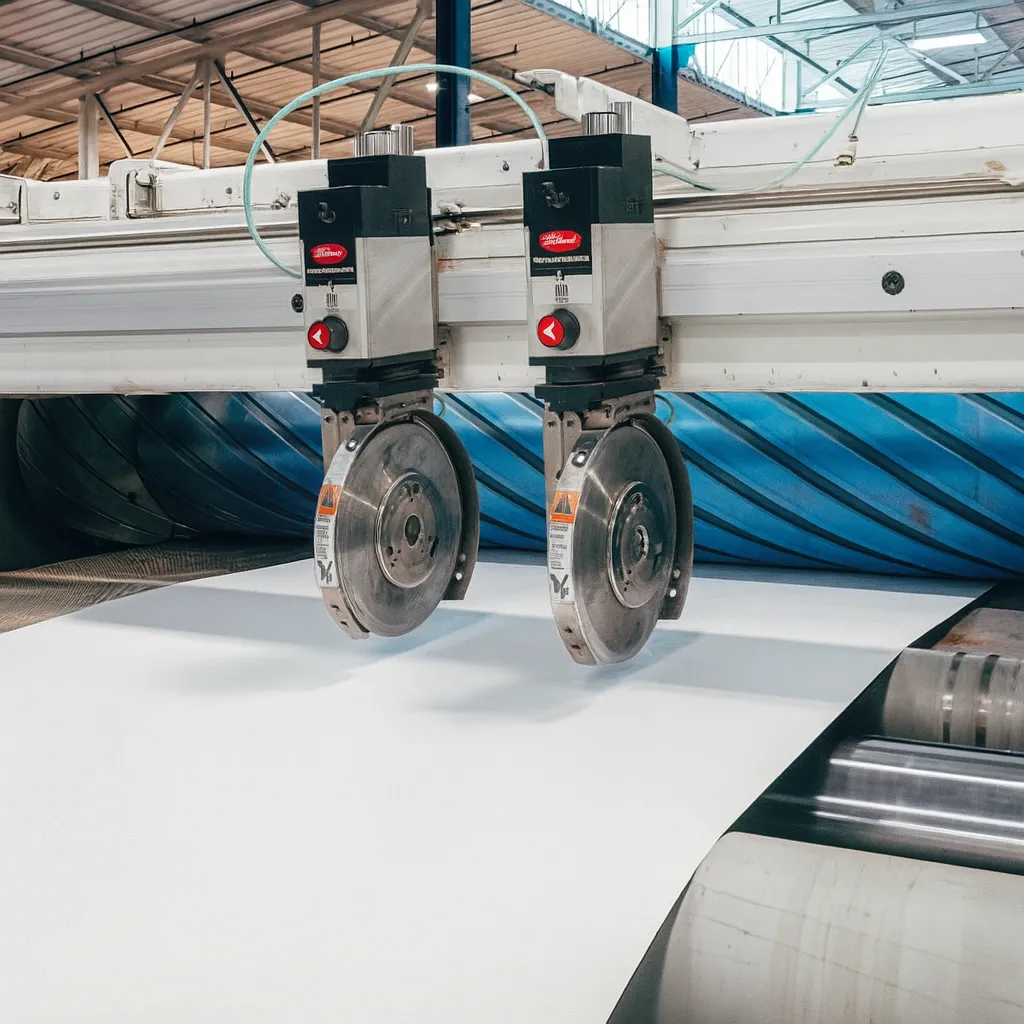
A paperboard converter works with paperboard; a contract converter performs work for another business under an agreed specification. One company can be both. Neither term alone tells you whether the company sheets, slits, prints, laminates, or manufactures a finished carton.
Start with the output your process requires
If you need press sheets, ask about sheeting dimensions, grain direction, squareness, pallet configuration, and the grade involved. If you need rolls, ask about slit widths, core size, winding direction, and finished diameter. If you need printed or die-cut packaging, establish that scope separately.
For example, a folding carton plant ordering blank sheets needs a different service from a brand ordering assembled retail boxes. Both might search for paperboard converting, but the production requirements are different.
Compare the proposed work line by line
Ask each supplier to quote the same material, quantity, input and output dimensions, packaging, and delivery basis. Clarify who supplies the substrate, who approves a new specification, and what happens when incoming material has damage.
Bengal focuses on custom sheeting, slitting, rewinding, and related recovery work. Send the finished format and material details to confirm whether the proposed operation fits its equipment.
Request a Converting Quote
Send your material, incoming dimensions, required output, approximate quantity, and delivery date. We will review the job and confirm what is needed to prepare a quote.
Still working out the specifications? Tell us what your production line needs and which details are available.
- Sheeting for paper and paperboard production
- Slitting and rewinding to your required roll format
- Material and equipment fit reviewed before scheduling
For an urgent request, call 610-245-5900.
Based in Royersford, Pennsylvania. Serving converting programs across the Northeast United States and Eastern Canada.