Plan the transfer around the outbound appointment
Cross-docking moves material from inbound receipt toward outbound dispatch with limited storage. It works best when the destination, carrier arrangements, labels, and release instructions are known before the freight arrives.
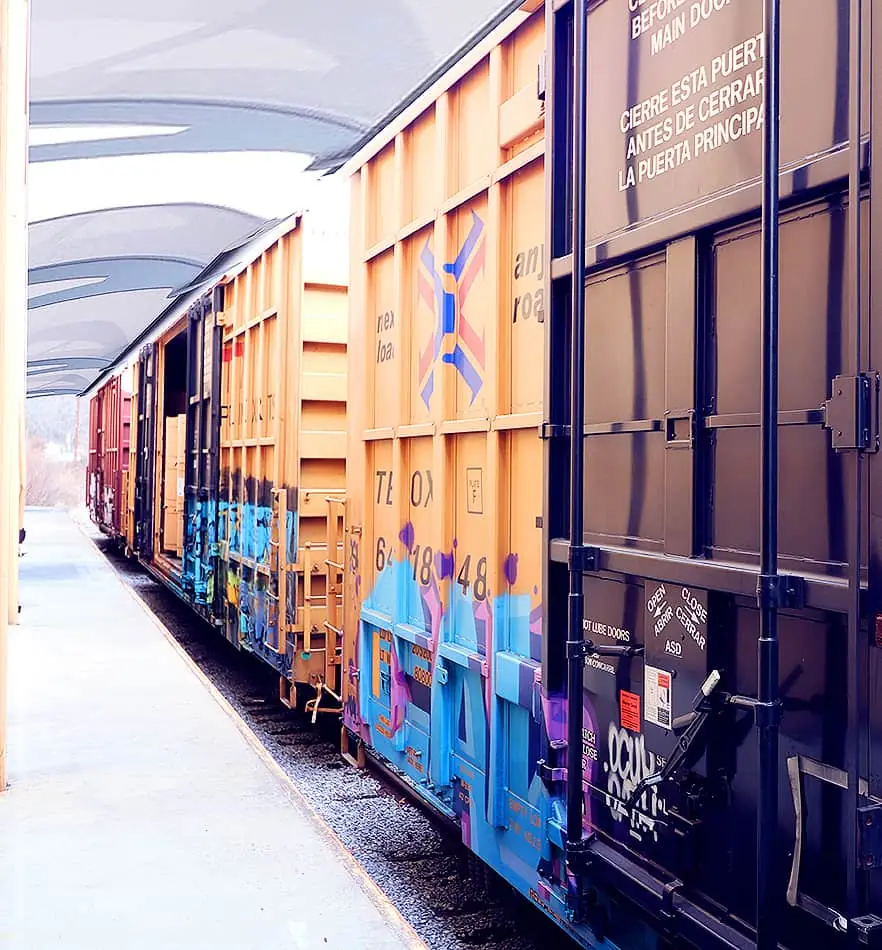
Bengal supports cross-docking alongside its converting and warehousing operations. The Royersford facility has an on-site rail switch and 16 loading docks. Confirm handling requirements and appointment availability for your shipment before dispatch.
Decide whether the load needs staging or storage
If outbound timing is uncertain, a storage or staging plan may be more appropriate than immediate transfer. Paper rolls, converted sheets, and mixed orders also need different handling and identification arrangements. Explain whether the freight is ready to ship or still needs inspection or converting.
- Incoming material, roll or pallet dimensions, total weight, and unit count.
- Inbound carrier, arrival window, and any rail coordination requirements.
- Destination, outbound carrier, release authorization, and required appointment.
- Labeling, packaging condition, and whether loads must be separated or consolidated.
Connect cross-docking to a converting order
When Bengal converts the material, outbound planning can be discussed with the same team. Agree which finished units are released first and which should be held. This is especially useful when a partial shipment can keep a customer line running.
Send the shipment profile and timing to confirm fit. Transfer speed and handling costs depend on the load, required work, and carrier coordination; a same-day transfer is not assumed.